

Glaucoma
Glaucoma
Introduction
Glaucoma is often called the silent thief of sight because it develops slowly and typically produces no noticeable symptoms in the early stages. Many patients become aware of the disease only after significant vision loss has already occurred, which is why early diagnosis is critically important.
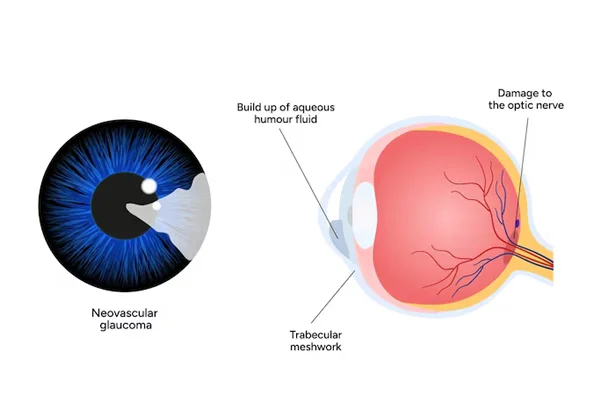
Glaucoma damages the optic nerve, which carries visual signals from the eye to the brain. If left untreated, it can cause irreversible blindness. People over the age of 40, diabetic patients, those with high blood pressure, and individuals with a family history of glaucoma should undergo regular eye pressure screening.
At Focus Eye Centre Faridabad, our glaucoma specialists provide comprehensive evaluation and long-term management to control eye pressure, preserve remaining vision, and reduce the risk of further optic nerve damage through medical, laser, or surgical treatment.
Causes
The most common cause of glaucoma is raised intraocular pressure resulting from impaired drainage of fluid inside the eye. A family history of glaucoma significantly increases risk, making regular screening important for those with affected relatives. Diabetes, hypertension, long-term steroid use, previous eye injury, and age-related changes also contribute to glaucoma development.
In some cases, glaucoma may occur even when eye pressure remains within a normal range — a condition known as normal-tension glaucoma. Because symptoms often appear late, many patients are diagnosed during routine eye examination rather than because of noticeable complaints.
Treatment
The primary goal of glaucoma treatment is to reduce intraocular pressure and prevent further optic nerve damage. Treatment usually begins with medicated eye drops that improve fluid drainage or reduce fluid production within the eye. In moderate cases, laser procedures may be recommended to enhance fluid outflow. Advanced glaucoma may require surgical intervention to create a new drainage pathway and achieve effective pressure control.
Regular optic nerve monitoring, visual field testing, and intraocular pressure measurement are essential components of long-term glaucoma management. Because glaucoma requires lifelong monitoring, patients are advised to attend follow-up appointments consistently and never discontinue treatment without medical advice.
Benefits of Early Treatment
Early glaucoma treatment helps preserve vision and prevents irreversible blindness. Timely intervention reduces eye pressure, protects optic nerve fibres, slows disease progression, and improves long-term eye safety. Regular follow-up allows the treating doctor to monitor treatment effectiveness and adjust medications as needed. Patients diagnosed early typically maintain useful vision for many years with appropriate care.
Frequently Asked Questions
1. Can glaucoma be cured completely?
Glaucoma cannot be cured, but early treatment effectively controls eye pressure and prevents further vision loss.
2. Is glaucoma always associated with high eye pressure?
No. Some patients develop glaucoma even with eye pressure within the normal range.
3. Who should undergo glaucoma screening?
Individuals above 40 years of age, diabetic patients, those with hypertension, and anyone with a family history of glaucoma should undergo regular screening.
4. Is surgery always required for glaucoma?
No. Many cases are successfully managed with eye drops and laser treatment.
5. Can glaucoma cause permanent blindness?
Yes. Untreated glaucoma can lead to irreversible blindness because optic nerve damage cannot be reversed.