

Dry Eye Treatment
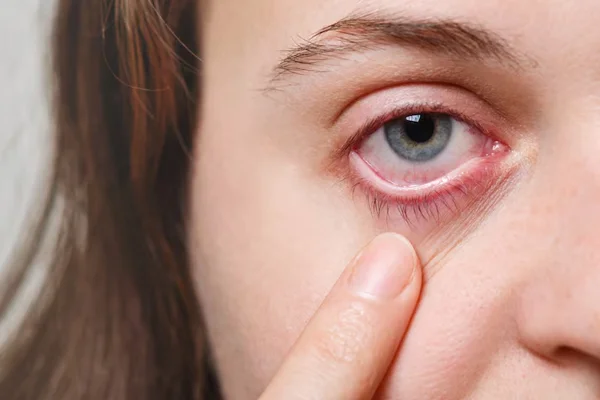
Dry Eye Treatment
Introduction
Dry eye disease is an increasingly common condition in which the eyes do not produce sufficient tears, or tears evaporate too quickly, resulting in inadequate lubrication of the eye surface. Patients typically experience a burning sensation, irritation, redness, reflex watering, blurred vision, heaviness, or discomfort during reading and screen use.
This condition has become more prevalent due to prolonged screen use, air-conditioned environments, pollution, and modern lifestyle habits. Although dry eye may initially appear minor, untreated dryness can affect corneal health, cause recurrent surface infections, and significantly reduce visual comfort. At Focus Eye Centre Faridabad, treatment focuses on identifying the underlying cause and improving tear quality for sustainable long-term relief.
Causes
Excessive screen use reduces blinking frequency, which increases tear evaporation. Ageing naturally lowers tear production, particularly in elderly patients. Hormonal changes, especially in women, can also affect tear stability. Environmental factors such as dust, smoke, pollution, and air conditioning commonly aggravate symptoms.
Certain medications, contact lens use, autoimmune disorders, meibomian gland dysfunction, and previous eye surgeries may also contribute to chronic dryness. Importantly, many patients with dry eye experience reflex watering — this occurs because an irritated eye surface triggers excessive but non-lubricating reflex tears, which do not address the underlying dryness.
Treatment
The treatment approach depends on the severity and underlying cause of dryness. Artificial tear lubricants are commonly prescribed to restore moisture and improve comfort. In moderate cases, anti-inflammatory eye drops may be used to reduce surface irritation. Eyelid hygiene and warm compresses improve meibomian oil gland function in patients with evaporative dry eye.
Tear preservation techniques such as punctal plugs may be advised when dryness is persistent. Patients may also undergo tear film evaluation, ocular surface assessment, and meibomian gland examination to guide treatment decisions. Lifestyle modifications — including regular blinking exercises, adequate hydration, reduced screen time, and protecting eyes from dust and wind — are also important components of management.
Benefits
Effective dry eye treatment provides long-term relief from irritation, redness, burning sensation, and fluctuating vision. Proper treatment improves reading comfort, screen tolerance, and overall quality of life. It also protects the corneal surface, reduces the risk of surface infections, and restores sustainable visual comfort for patients with chronic dryness.
Frequently Asked Questions
1. Why do my eyes water if I have dry eye disease?
Dry eyes frequently trigger reflex tearing as the eye attempts to compensate for dryness. However, these reflex tears do not provide adequate lubrication.
2. Is dry eye a permanent condition?
Dry eye can be effectively managed with appropriate treatment, though some patients require long-term maintenance therapy.
3. Can screen use worsen dry eye symptoms?
Yes. Prolonged screen use significantly reduces blinking frequency, accelerating tear evaporation and worsening symptoms.
4. Are lubricating drops sufficient for dry eye treatment?
Mild cases often improve with lubricants alone, but moderate to severe dry eye typically requires additional targeted therapy.
5. Who is most commonly affected by dry eye?
Computer users, elderly individuals, contact lens wearers, and people regularly exposed to dust, smoke, or air conditioning are most commonly affected.