

Medical and Vitreo Retina
Medical and Vitreo-Retinal Services
Introduction
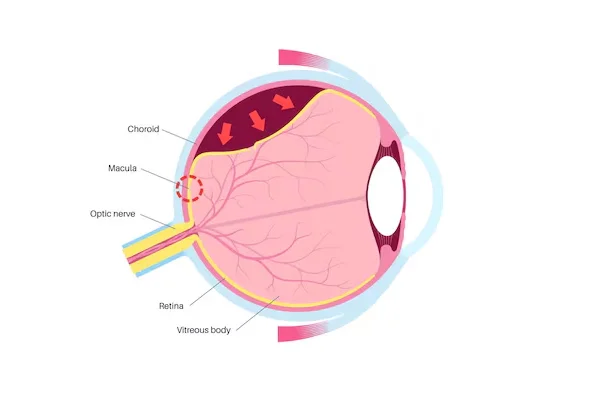
Medical and vitreo-retinal services focus on diagnosing and managing diseases that affect the retina, vitreous, and macula — the delicate structures at the back of the eye responsible for clear and detailed central vision. Retinal disorders often progress silently and may lead to severe visual loss if not detected early.
At Focus Eye Centre, our retina specialists provide expert care for diabetic retinopathy, retinal vein occlusion, macular oedema, retinal detachment, age-related macular degeneration, and vitreous haemorrhage. Since the retina converts light into electrical signals for the brain, even small areas of retinal damage can significantly affect reading, face recognition, colour perception, and overall visual quality.
Causes
Diabetes is one of the leading causes of retinal disease — elevated blood sugar damages retinal blood vessels and may cause diabetic retinopathy or macular swelling. High blood pressure can also affect retinal circulation and lead to retinal vein blockage. Ageing increases the risk of age-related macular degeneration, while high myopia predisposes patients to retinal thinning and tears.
Eye trauma, intraocular inflammation, vascular disorders, and hereditary retinal diseases also contribute to retinal damage. Patients should seek prompt specialist consultation if they notice blurred central vision, floaters, flashes of light, visual distortion, dark shadows, or sudden unexplained vision loss.
Treatment
The treatment of retinal disease depends on the type and severity of the condition. Medical retina management may include intravitreal injections (anti-VEGF or steroid) to control macular swelling, retinal bleeding, or abnormal blood vessel growth. Laser retinal treatment is used for diabetic retinopathy, retinal tears, and vascular leakage. Vitreo-retinal surgery is required in advanced cases such as retinal detachment, vitreous haemorrhage, or complex macular disorders.
Before treatment planning, patients undergo OCT scan, fundus photography, fluorescein angiography, and detailed retinal examination. Early diagnosis significantly improves visual prognosis and reduces the risk of permanent retinal damage.
Benefits
The primary benefit of timely retinal treatment is preservation of central vision and prevention of irreversible blindness. Appropriate intervention controls disease progression, stabilises retinal structure, and helps maintain daily visual function. For diabetic and elderly patients, regular retinal follow-up is essential for preventing sight-threatening complications and preserving quality of life.
Frequently Asked Questions
1. Why is diabetic retinal screening important?
Diabetes can silently damage retinal blood vessels before symptoms appear. Early screening enables timely treatment and prevents vision loss.
2. What are common symptoms of retinal disease?
Blurred vision, floaters, flashing lights, visual distortion, and sudden vision loss are common warning signs that require prompt evaluation.
3. Can retinal damage be fully reversed?
Some retinal conditions can be effectively controlled with treatment, but early intervention consistently achieves the best outcome.
4. Are retinal injections painful?
Retinal injections are administered under local anaesthesia and typically cause minimal discomfort.
5. Who should have regular retinal check-ups?
Diabetic patients, elderly individuals, those with high myopia, and patients with hypertension should undergo regular retinal screening.